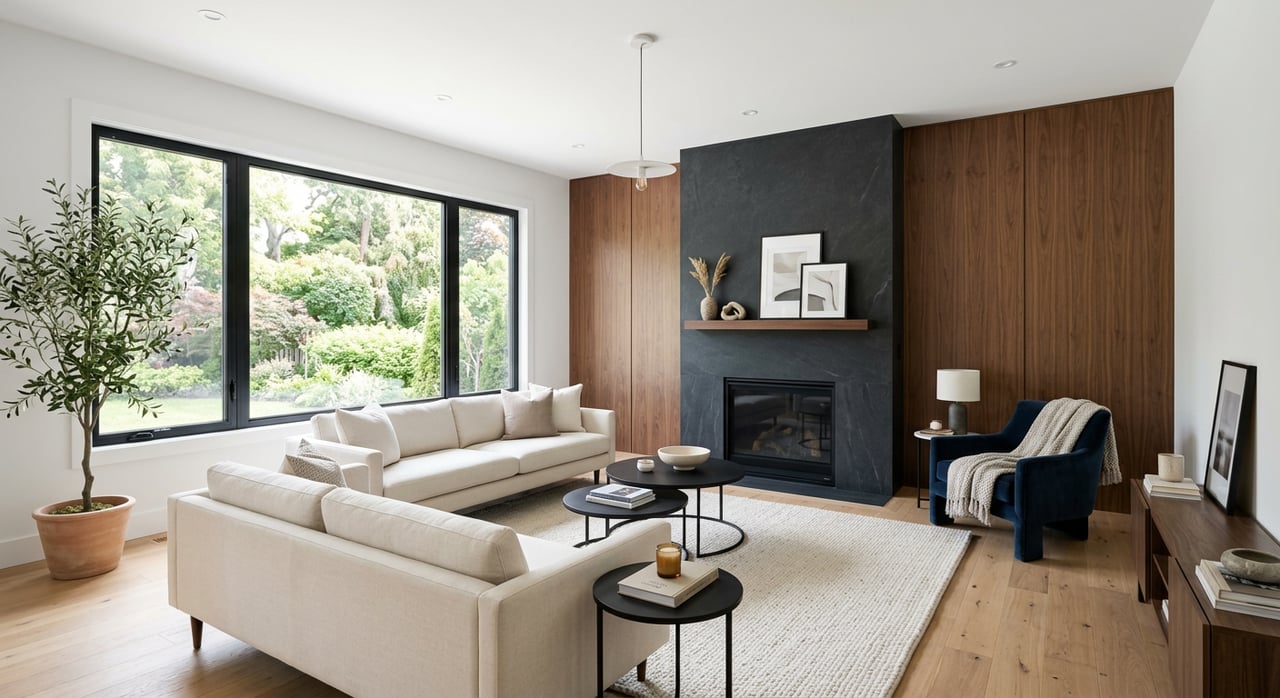
Pleasanton Home Value Factors Most Sellers Overlook
Selling in Pleasanton can feel like a moving target. You know buyers love the schools, parks, and downtown charm, but you may not know which details actually change your final price. In today’s softer market, the right prep and precise pricing can add real dollars to your net. This guide shows you the Pleasanton value factors most sellers overlook and how to turn them into an advantage. Let’s dive in.
Start with closed sales from the last 30 to 90 days in your same neighborhood or school boundary. Match basics first: beds, baths, finished square footage, lot size, and parking. Then adjust for condition, permitted upgrades like an ADU or kitchen remodel, and floor plan functionality. Remove outliers like extensively remodeled estates or unusual private sales that do not reflect the open market.
In Pleasanton, micro location matters. Homes near Historic Downtown and Main Street, greenbelts, Pleasanton Ridge trails, and neighborhood parks often earn stronger interest. Local planning and downtown investments continue to support buyer demand in these areas. If your home sits near these amenities, highlight them early in your marketing.
Pleasanton Unified is a major decision factor. Many buyers review regional ranking summaries for schools like Foothill and Amador Valley, so make your boundary clear and factual. You can reference neutral sources such as Niche’s Foothill High overview to give buyers context. Keep language neutral and stick to verifiable facts about attendance zones and proximity.
For commuter buyers, proximity to the Dublin Pleasanton BART station and ACE connections can be a tipping point. Present your commute options clearly, including likely driving times and transit choices. The city documents how local bus links and regional rail connect through the node; see the Dublin Pleasanton BART and ACE connections for context. If your home has an easy pattern to these routes, note it in the first lines of your listing description.
Pleasanton is near active East Bay faults, including the Hayward Fault Zone. Buyers and appraisers often ask about seismic retrofits and structural documentation. If you have completed work, gather receipts, permits, and engineer reports. Also disclose location near major roads, flight paths, or commercial corridors, and show any mitigations like sound-rated windows or fencing.
Under California law, you must disclose known material facts about the property, including work completed without permits. Review California Civil Code section 1102 and assemble your permits and final inspections for important projects. In Pleasanton, ADUs are a standout value add when fully permitted and documented. Study Pleasanton’s ADU program to confirm size, height, and owner-occupancy rules, and include the permit history in your disclosures.
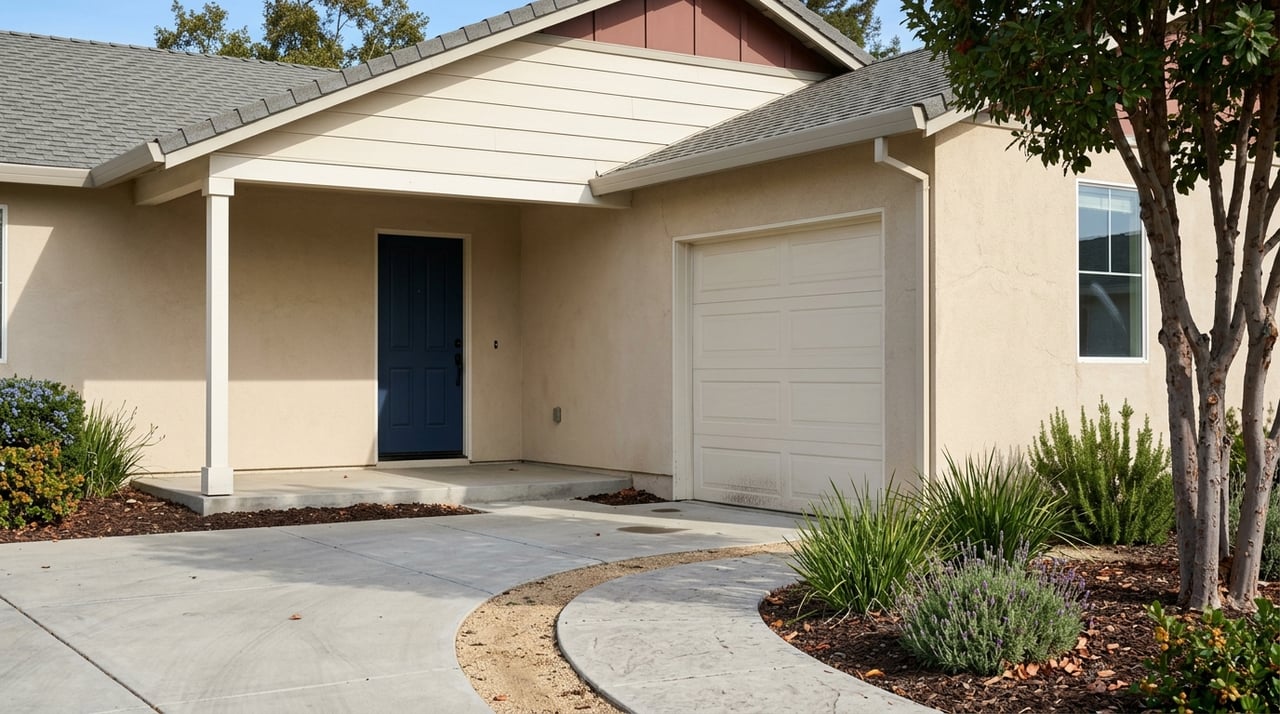
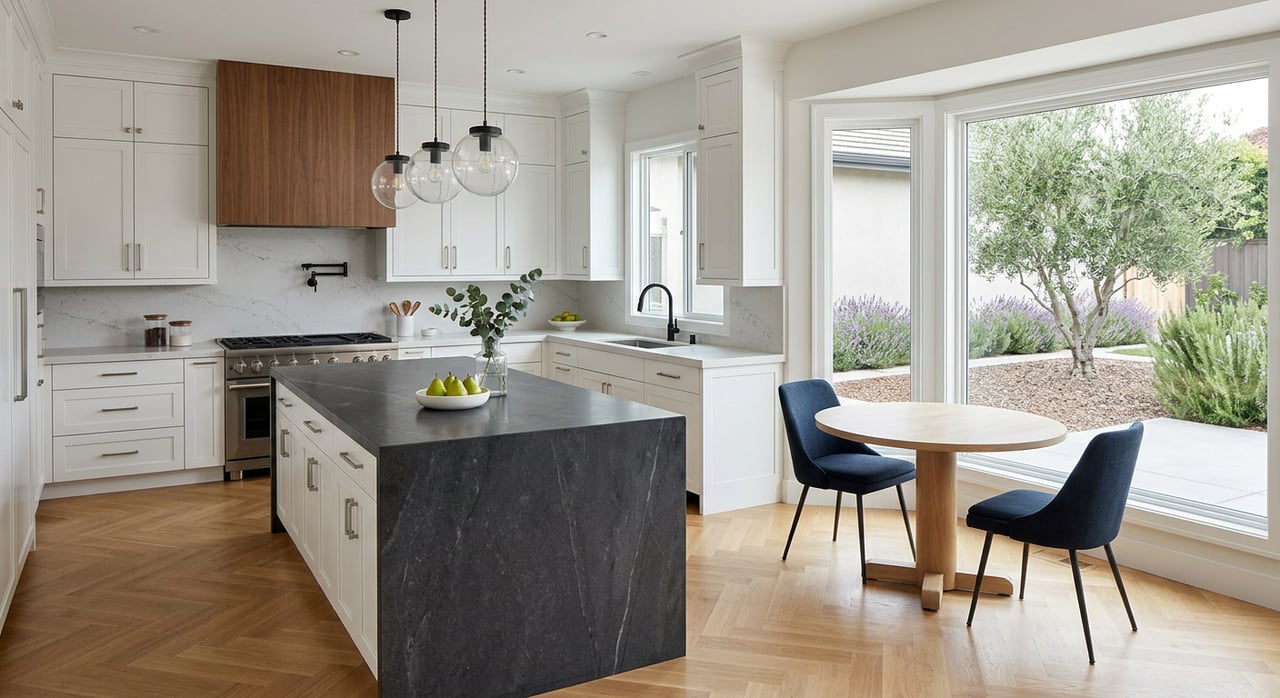
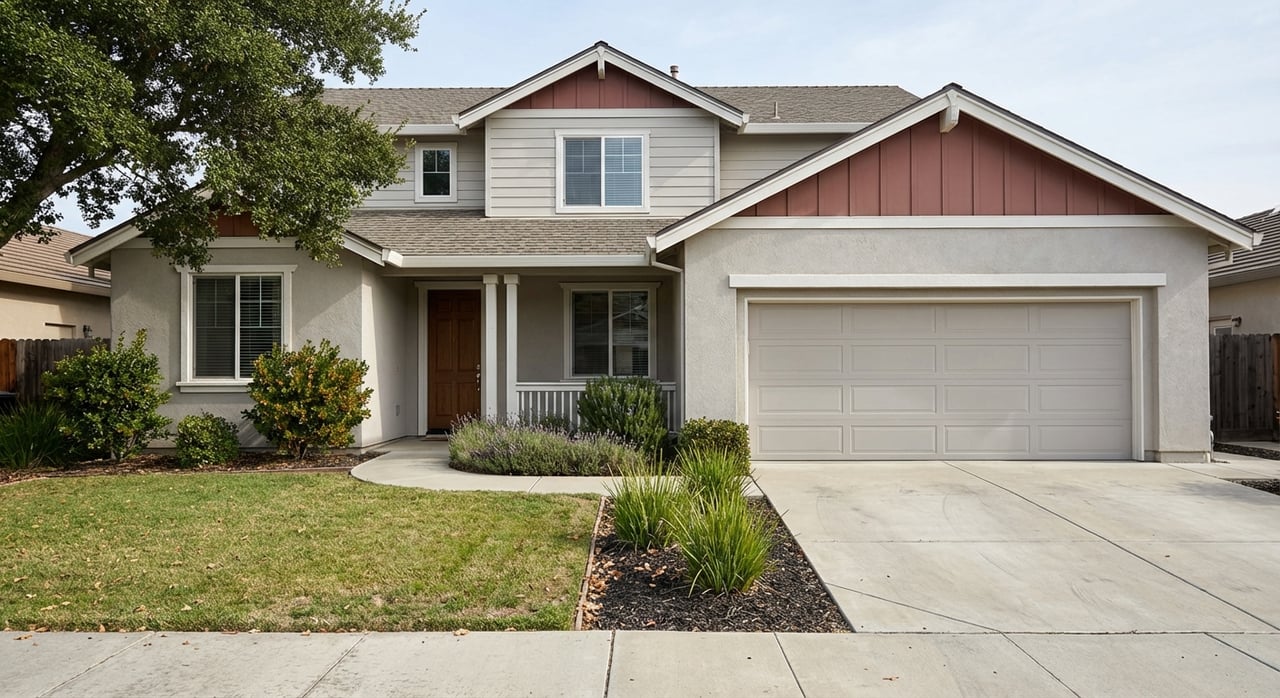
Exterior refreshes often punch above their weight. High-return projects in resale studies include garage door and front door replacements, targeted siding updates, and clean landscaping. Indoors, a modest kitchen refresh, focused bath updates, and fresh paint and flooring help listings pop. Use the regional guidance in the Cost vs Value report to prioritize projects that fit your budget and timeline.
Staging highlights flow and scale and helps buyers connect with your home online and in person. According to NAR’s latest staging report, staged homes often sell faster and many agents report a 1 to 10 percent uplift in offers. Start with decluttering, deep cleaning, and neutral, modern styling. If you are occupied, targeted staging in key rooms can still deliver strong returns.
Buyers pay attention to how a home lives day to day. Features like a main-level bedroom suite, open main living areas, enough bathrooms for the bedroom count, and a flexible office space add appeal. Include a measured floor plan and photos that show circulation and room relationships. Resources like this overview on why floor plans help buyers visualize use can guide your prep.
Visible issues invite discounts and delays. Roof age, HVAC, water heater, electrical subpanels, termite findings, and any foundation concerns are frequent negotiation points. A pre-market inspection strategy can help you fix small problems before they become big credits. Save receipts and create a simple log of recent maintenance to include with your disclosures.
Recent trackers place typical Pleasanton home values around the mid to upper $1.5 million range, with longer days on market than a year ago. Pricing too high often means fewer showings and a lower final price after reductions. Pricing close to well-matched, recent comps while presenting a polished, documented home typically maximizes demand. In tighter inventory, clean disclosures, strong photos, and staging can justify a narrower price band.
Work through the likely closing costs up front. In Pleasanton, you can expect escrow and title fees, the agent listing fee and buyer agent fee, and the county documentary transfer tax. Pleasanton does not add a city transfer tax. For reference, see the Alameda County transfer tax schedule, and confirm current fees with your escrow officer.
You do not need a full remodel to win in this market. You need the right plan, clean documentation, and pricing that matches current buyer behavior. If you want a precise, local game plan and a two-agent team with construction-informed guidance, reach out to Tom & Shannon Real Estate for an instant valuation and a custom CMA.

South Livermore Neighborhoods
Welcome to Livermore, California – where wine country charm meets family-friendly suburban living, all just a short drive from the Bay Area's tech hubs.

We pride ourselves in providing personalized solutions that bring our clients closer to their dream properties and enhance their long-term wealth.