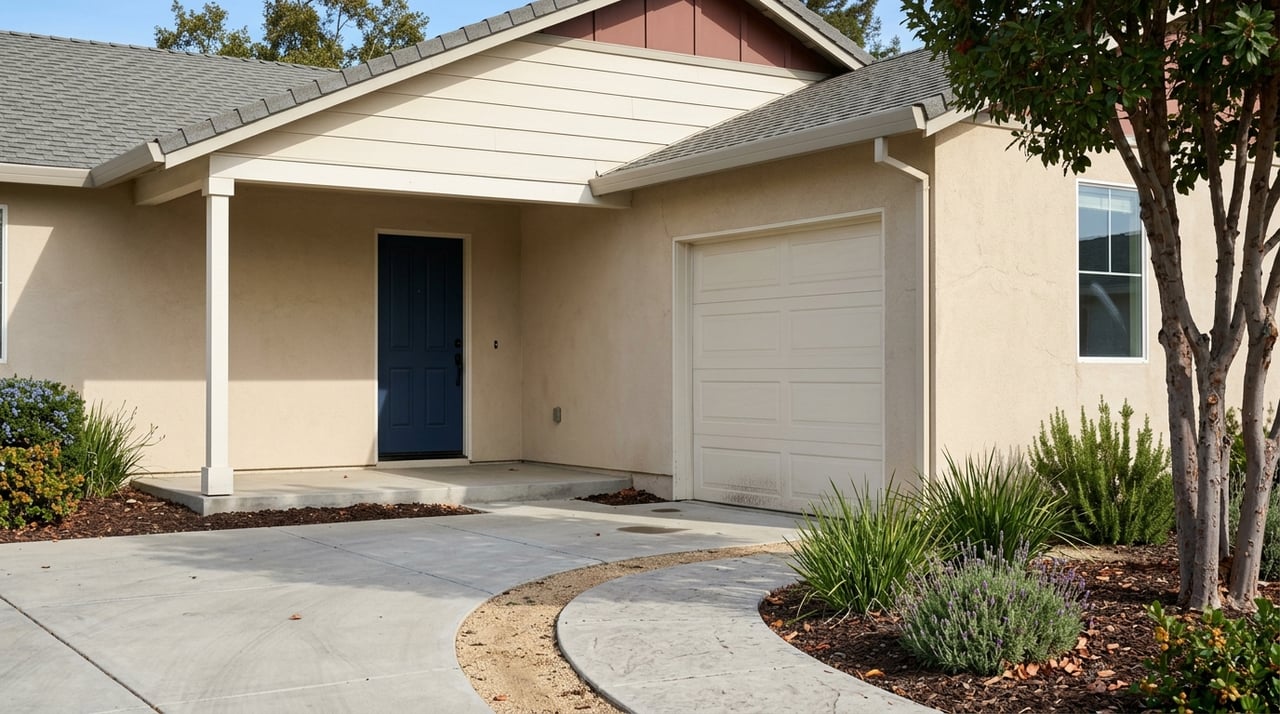
Newer Vs Older Homes In Dublin: What Buyers Should Know
Should you buy a newer master‑planned home in Dublin or an older house in an established neighborhood? It is a common question, especially when every dollar matters and you want confidence in what you are buying. You are weighing modern systems, HOAs, and special taxes against larger yards, character, and potential upgrades.
In this guide, you will learn how Dublin’s newer and older homes compare on price context, build quality, carrying costs, commute access, inspections, and resale. You will also get a simple checklist to use before you write an offer. Let’s dive in.
As of February 2026, Redfin reported Dublin’s median home sale price at roughly $1.3M. That places Dublin in a high‑value bracket within the Tri‑Valley. Detached single‑family homes and premium phases typically close above the city median, while condo and townhome options often list below it. Association data shows this split across product types in regional reporting for early 2026.
Compared with nearby cities, Pleasanton commonly trends above Dublin, while Livermore often tracks around or below Dublin depending on product and timing. Month‑to‑month numbers shift, so always check the most current data if you are timing a purchase.
When you hear “newer” in Dublin, think master‑planned East Dublin communities built mainly from the early 2000s through the late 2010s. Examples include Dublin Ranch, Wallis Ranch, and hillside phases like Schaefer Ranch. These neighborhoods offer modern construction standards, planned amenities, and more consistent streetscapes.
Product types range from condos and townhomes to small‑lot detached homes and occasional larger lots in premium pockets. Many communities include HOA‑maintained greenbelts, parks, and centers with pools or fitness rooms. The tradeoff is HOA rules and, in some areas, special taxes tied to the development.
Dublin’s biggest growth happened in the 1990s through the 2010s. That means “older” here is often pre‑2000 rather than pre‑1950. West Dublin and central or downtown pockets include earlier tract homes and some cottage‑style properties with mature landscaping and varied lot sizes. These areas may have fewer centralized amenities but can deliver yard space and flexibility.
For planning context and the city’s growth timeline, review Dublin’s official planning documents, which outline where earlier subdivisions sit in relation to newer build‑out phases. The city’s appendix is a helpful overview of this evolution.
Newer Dublin homes benefit from modern California building and energy standards. The 2019 Building Energy Efficiency Standards became effective January 1, 2020, and introduced stricter envelope, ventilation, and photovoltaic requirements for most new low‑rise residences. Many newer homes include energy features that older homes lack by default.
Reputable builders also offer tiered new‑home warranties. A common structure is 1‑year coverage for workmanship, 2‑year coverage for systems, and a 10‑year structural warranty that is often insurance‑backed. Always request the warranty booklet and confirm transfer rules and claim steps.
Even with new construction, quality varies by builder, product line, and lot conditions. You should still order a third‑party home inspection and review the builder’s punch‑list and warranty program before closing.
Many master‑planned phases optimize interior space while compressing private yards. You will see two‑story homes on smaller lots, shared greenways, and community centers. That setup works well if you want a modern layout and low yard maintenance.
Older pockets often deliver larger or irregular lots and mature trees. You may find single‑story plans, detached garages in some areas, or deeper backyards that support outdoor projects. If you value private outdoor space, older areas can offer more for the dollar, but you should budget for potential system updates.
Here is where the numbers can diverge between newer and older homes.
If you choose a newer home with an HOA and a CFD, your monthly carrying cost might be more predictable but include extra line items. If you choose an older home without an HOA or CFD, your monthly line items may be lower, but you should set aside a maintenance reserve for systems and improvements.
Dublin has two BART stations, Dublin/Pleasanton and West Dublin/Pleasanton, with direct service to downtown Oakland and downtown San Francisco. A typical rail trip from Dublin to central San Francisco is roughly 45 to 50 minutes of train time, not including wait and walk. Check the timetable for your hours.
If you drive, you will likely use the I‑580 corridor. The I‑580 Express Lanes run through Dublin, Pleasanton, and Livermore and can improve reliability for FasTrak users during peak periods. Factor tolls and HOV rules into your commute math.
Older Dublin homes can be great buys if you plan for the right upgrades. Target the following items during due diligence:
Newer homes tend to sell on turnkey appeal, modern layouts, and lower immediate maintenance. That can help attract busy buyers on the next sale. Older homes often trade on lot size, room to expand, or scope for a thoughtful remodel. If you are comfortable with projects, you can create value by updating systems and spaces that matter most.
If you are considering an accessory dwelling unit, single‑family lots usually offer the most straightforward path, subject to zoning and any HOA rules. Always verify CC&Rs in HOA communities if you plan to add an ADU or change rental use.
| Factor | Newer communities | Older neighborhoods |
|---|---|---|
| Entry price patterns | Wide range by product type. Turnkey single‑family and premium phases often above city median. | Often competitive per square foot, with value tied to lot size and upgrade level. |
| Monthly carrying cost | HOA dues are common. Parcel may include a CFD special tax. Predictable near‑term maintenance. | Often no HOA or CFD. Budget a maintenance reserve for systems and upgrades. |
| Yard and lot | Smaller low‑maintenance lots, shared amenities. | Larger or irregular lots, mature trees, more outdoor project potential. |
| Code and energy | Built to modern Title 24 standards with PV requirements for many low‑rise homes. | May need insulation, window, electrical, or HVAC upgrades to reach similar efficiency. |
| Inspections | Still inspect and review builder punch‑lists and warranties. | Full home inspection plus specialists. Consider lead testing if pre‑1978 and seismic review. |
| Commute | Often planned near major routes, some with easier access to transit corridors. | Varies by pocket. Measure door‑to‑door to BART or your workplace. |
| Resale outlook | Turnkey appeal for the next buyer, strong for low‑maintenance demand. | Flexible for remodels, additions, and yard‑driven value creation. |
Use this list to confirm the real costs and condition of the home you love:
Both paths can be smart in Dublin. Choose a newer home if you value energy‑efficient systems, predictable maintenance, and community amenities, and you are comfortable with HOAs and possible CFD taxes. Choose an older home if you want yard space, flexibility to remodel or add an ADU, and you are ready to budget for targeted upgrades.
If you want a clear side‑by‑side that matches your commute, budget, and lifestyle, we can help you run the numbers and inspect the right details. Reach out to Tom & Shannon Real Estate for local guidance, off‑market insight, and a practical plan to close with confidence.


South Livermore Neighborhoods
Welcome to Livermore, California – where wine country charm meets family-friendly suburban living, all just a short drive from the Bay Area's tech hubs.

We pride ourselves in providing personalized solutions that bring our clients closer to their dream properties and enhance their long-term wealth.