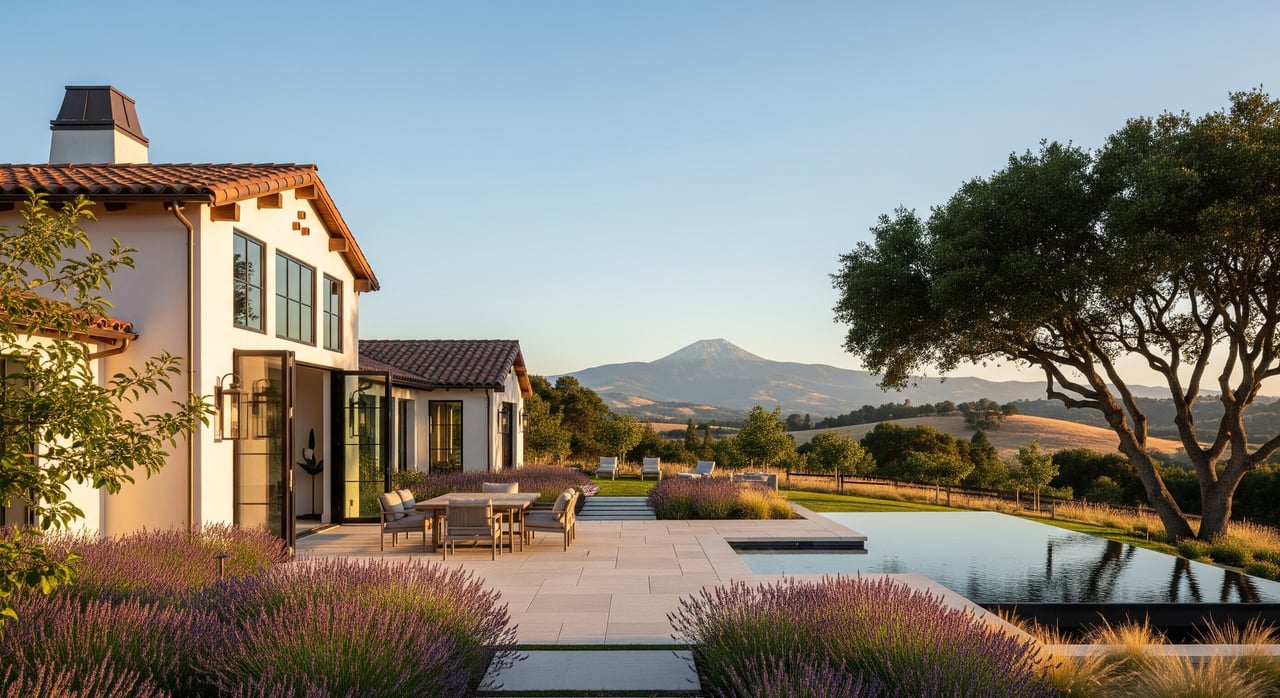
What It’s Like To Live In Pleasanton
Thinking about trading city hustle for a suburban base with great parks, a lively Main Street, and solid regional access? If you work around the Bay Area and want room to breathe without losing weekend fun, Pleasanton might be on your shortlist. In this guide, you will see how daily life feels, where people live, how you get around, and what to consider for schools and housing. Let’s dive in.
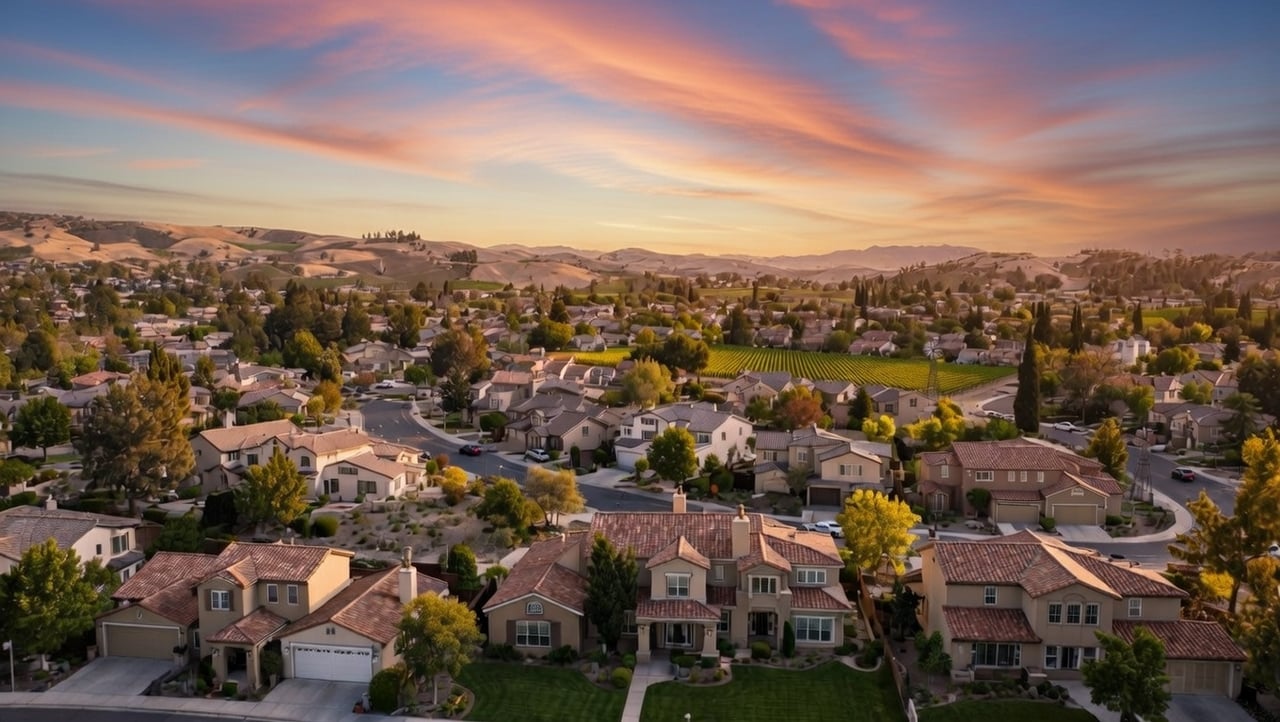
Pleasanton sits in Alameda County’s Tri‑Valley between Oakland and Livermore. It is a mid‑sized suburban city with a 2020 population of around 79,000. You will find a welcoming downtown, well‑kept parks, and a mix of established neighborhoods and planned communities.
Many residents work in professional and technical roles and commute to job centers across the East Bay, Silicon Valley, and San Francisco. City services and community programs are a local priority, and the city generally reports lower crime rates than national averages for similar‑size cities. The tradeoff for the amenities and location is a higher cost of housing and commute times that can vary with traffic.
Historic Main Street is Pleasanton’s social heart. You can stroll tree‑lined blocks, grab coffee, shop local boutiques, and enjoy independent restaurants. A weekly farmers’ market and seasonal street fairs bring neighbors together.
If you want to live close by, you will see small historic homes, Craftsman and bungalow styles, and some newer townhomes or condos tucked into infill spots. Living here is about walkability, easy dinners out, and being steps from community events.
Away from downtown, you will find quiet residential areas like Amador Valley, Hacienda, Vintage Hills, Sunol Ridge, and the Alisal or Clover areas. Ruby Hill offers a gated, planned community setting. Lot sizes, HOA rules, and proximity to parks can vary by neighborhood.
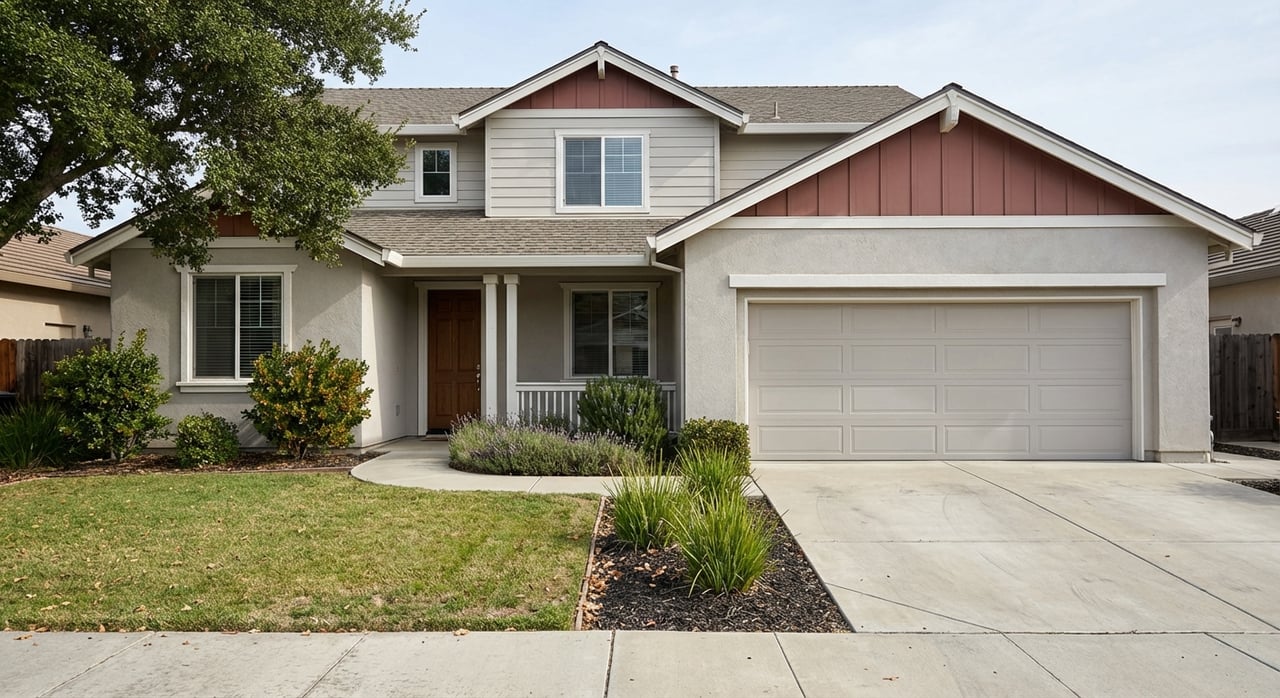
Most streets are lined with single‑family homes in ranch, Mediterranean, or contemporary suburban styles. Townhomes and condos cluster near retail corridors and transit nodes. If you want a yard, access to parks, and a calm street scene, these areas deliver the classic suburban feel.
Pleasanton makes it easy to get outside. Pleasanton Ridge Regional Park stretches along the city’s edge with miles of trails and ridge views for hikes and mountain biking. Shadow Cliffs Regional Recreation Area offers a lake for fishing and boating and room for a laid‑back afternoon.
You will also find neighborhood parks, sports complexes, community pools, and organized youth sports. Amador Valley Community Park is a hub for everyday play and events. The Alameda County Fairgrounds host the popular Alameda County Fair each year, along with special events through the seasons.
Interstate 680 runs north to south through Pleasanton, while I‑580 links you east to west. Rush hour congestion can be significant on both routes, especially toward Fremont, Union City, and Livermore. Typical drive times range roughly 30 to 45 minutes to downtown Oakland, 45 to 75 minutes to San Francisco, and 45 to 75 minutes to Silicon Valley locations like Palo Alto or Mountain View. Always check a traffic app for current conditions.
Your main heavy‑rail option is the Dublin/Pleasanton BART station, which many residents reach by car or bus. Tri‑Valley Transit (WHEELS) connects neighborhoods to BART and local destinations. ACE commuter rail serves regional trips, and Valley Link is a planned rail project aimed at improving future service across the valley. Bike lanes and paths exist in parts of the city, though hills can make some routes less practical for daily commuting.
BART parking can fill early on weekdays. Many residents use carpools, express bus options, or hybrid and remote work schedules to smooth out commutes. If you can shift hours or work from home part of the week, you will feel the benefit.
Pleasanton Unified School District serves local students, with multiple elementary and middle schools and two comprehensive public high schools: Amador Valley High School and Foothill High School. The district is commonly rated above average in state comparisons, and high schools are often noted for academic and extracurricular offerings. Always confirm school boundaries, enrollment, and programs directly with the district.
You will also find several private school options and many preschools and childcare providers. Like much of the Bay Area, demand for childcare can create waitlists, so plan ahead. For higher education, Las Positas College in Livermore is the nearest community college, and regional universities such as Cal State East Bay and UC Berkeley are reachable for commuting or weekend study.
Families appreciate Pleasanton’s public library programs, youth sports, community centers, and wide selection of healthcare providers. It is a practical place to raise kids, with everyday needs close by and plenty of weekend activities.
Single‑family homes are the mainstay, from mid‑century ranch to Mediterranean and modern suburban designs. You will also see townhome and condominium communities, especially near retail and transit. Closer to downtown, older homes add charm and character, while neighborhoods like Ruby Hill offer a gated, planned environment with larger homes.
Pleasanton is typically one of the more expensive Tri‑Valley and East Bay markets. In recent years, many single‑family homes have sold well above one million dollars, while condos and townhomes can offer a lower entry point. Rental costs also run high relative to national averages. Inventory, days on market, and price trends change quickly, so it is smart to review current data before you make a move.
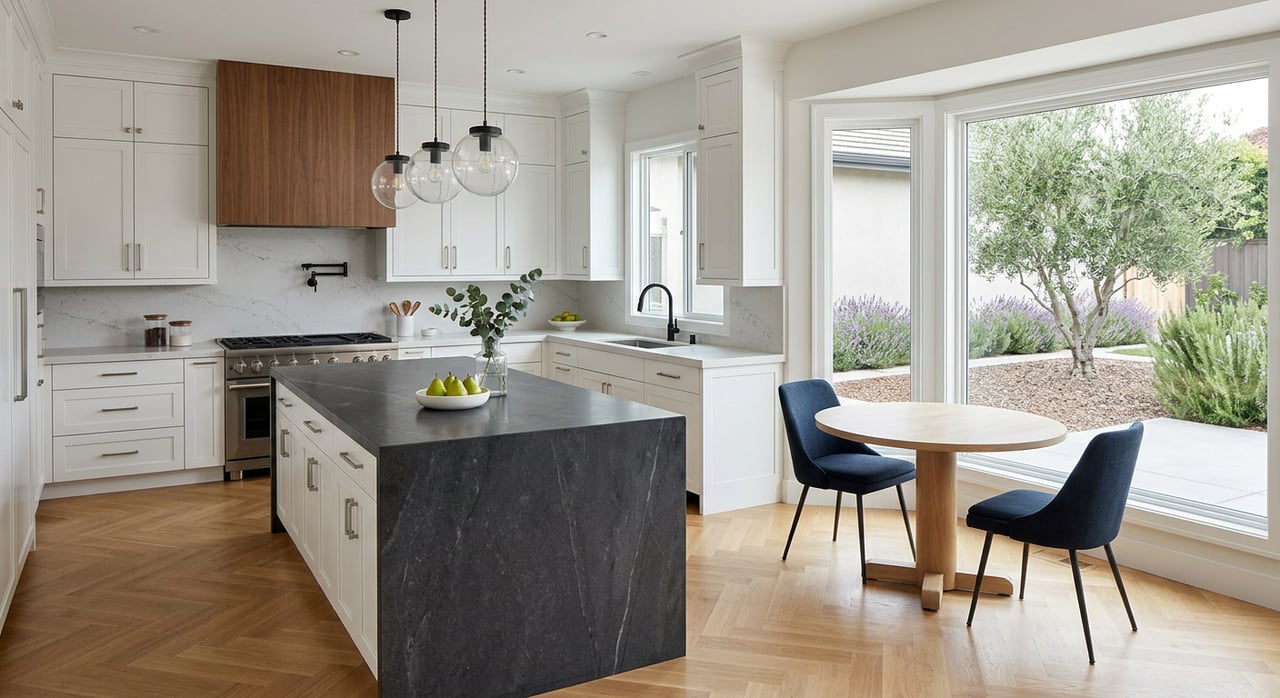
For buyers, well‑priced homes in convenient locations can attract strong interest. A clear financing plan, flexible timing, and a smart offer strategy make a difference. For sellers, updates in kitchens and baths, curb appeal, and a focused pricing and staging plan help maximize results in variable conditions.
You will likely enjoy Pleasanton if you want a comfortable suburban lifestyle while keeping ties to Bay Area job centers. You value a lively downtown, consistent parks and recreation, and a calendar full of community events. You might also work in or near Pleasanton’s business parks and prefer a shorter local commute.
Tradeoffs include higher home prices and commute variability during peak hours. BART parking can be a pinch point on weekday mornings. If those factors are manageable for you, Pleasanton offers a balanced day‑to‑day life with strong amenities.
Start with coffee on Main Street and a stroll through the farmers’ market. Head to Pleasanton Ridge for a ridge‑top hike with views. In the afternoon, relax by the water at Shadow Cliffs or catch a youth game at a local park. Wrap up with dinner downtown and a community event at the fairgrounds. It is an easy mix of convenience and outdoor time.
If Pleasanton sounds like a match for your lifestyle, you deserve local guidance that blends neighborhood insight with practical expertise. With decades of experience across the Tri‑Valley and hands‑on construction know‑how, our team will help you compare areas, plan repairs or upgrades, and time your move with confidence. When you are ready, reach out to Tom & Shannon Real Estate for a clear, friendly path from curiosity to keys.
South Livermore Neighborhoods
Welcome to Livermore, California – where wine country charm meets family-friendly suburban living, all just a short drive from the Bay Area's tech hubs.
We pride ourselves in providing personalized solutions that bring our clients closer to their dream properties and enhance their long-term wealth.